

Dr. Sanjoy Debnath* and Dr. Santanu Basak
ICAR-National Institute of Natural Fibre Engineering & Technology
12, Regent Park, Kolkata 700040, West Bengal, India
*Principal Scientist & Head, Mechanical Processing Division
Abstract
All the natural fibres are the wonderful gift from Divine. From civilization the natural fibres are being used in different sphere and purposes to fulfilment specific technical needs. Abaca, binomial name Musa textilis, is a species of banana, grown as a commercial crop in the Philippines, Ecuador, and Costa Rica has found its importance in rural livelihood. Over a half-century lot of development has taken in synthetics/manmade fibres to replace the natural fibres. However, in people now have understood the problems of production and usage of manmade fibre their sustainability aspect. Abaca is a novel fibre grown widely without much care and the product diversity is also quite vast. Starting from packaging to fashion fibrous products to composites, the fibre is found suitable. In this chapter, abaca as a novel sustainable alternative for textiles has been focused. Availability of abaca fibre its cultivation to fibre production, product diversification, potentiality in technical textiles as alternative fibre and its sustainability has been discussed thoroughly.
Keywords: Abaca fibre; Textile; Sustainable textile; Technical textiles
Introduction – Availability of Abaca, Importance In Today’s Scenario
In the diasporas of natural fibre two basic category can be made, plant source and animal source, out of which cotton jute, abaca, flax, ramie, coir (coconut) are some of the plants based commercial fibres, and wool, silk are some of the animal source commercial fibres popularly known in international market (Debnath Sanjoy (2017a). As far as world fibre production is concerned, around 110 million metric tons produced in 2018, including 32 million tons of natural fibres and 79 million tons of chemical fibres/mam-made fibres (Terry Townsend, 2020). Out of which, cotton fibre contributed around 80% of natural fibre production (on weight basis), jute fibre production was about three million tons in 2018, while, wool and coir each contributed for about one million tons. Other specialized natural fibres, viz., abaca, agave, flax, hemp, kapok, ramie, silk and sisal and animal fibres other than wool added another 1.5 million tons (Terry Townsend, 2020). Among the different industrial consumption of natural fibre is concerned, jute fibre mostly/traditionally used as sustainable packaging material (Debnath Sanjoy, 2017b). In the area of garment/apparel industry, apart from cotton, high value product are popularly prepared from flax, nettle, pineapple, ramie, etc. fibres produced and marketed commercially (Debnath, 2015, 2016, 2020, 2021). In this present chapter emphasis given on abaca fibre where it one of the commercial crops in some parts of the world, used for mostly packaging sector. Abaca, binomial name Musa textilis, is a species of banana, grown as a commercial crop in the Philippines, Ecuador, and Costa Rica. The plant, native to the Philippines, achieved importance as a source of cordage fibre in the 19th century. In 1925 the Dutch began cultivating it in Sumatra, and the U.S. Department of Agriculture established plantings in Central America (Anonymous, 2022a). A small commercial operation was started in British North Borneo (now Sabah, part of Malaysia) in 1930. During World War II, with Philippine abaca no longer available to the Allies, American production greatly increased. The Philippines remain the world’s largest producer of abaca. The world‘s leading abaca producer is the Philippines, where the plant is cultivated on 130,000 ha by some 90,000 small farmers. While the crop is also cultivated in other Southeast Asian countries, the Philippines ‘closest rival is Ecuador, where abaca is grown on large estates and production is increasingly mechanized. In 2007, the Phillipines produced about 60,000 tonnes of abaca fibre, while Ecuador produced 10,000 tonnes world production is valued at around 30 million dollars a year. Almost all abaca produced is exported, mainly to Europe, Japan and the USA. Exports from the Philippines are increasingly in the form of pulp rather than raw fibre (Mahapatra, 2019; Edwin, et al. 2020).
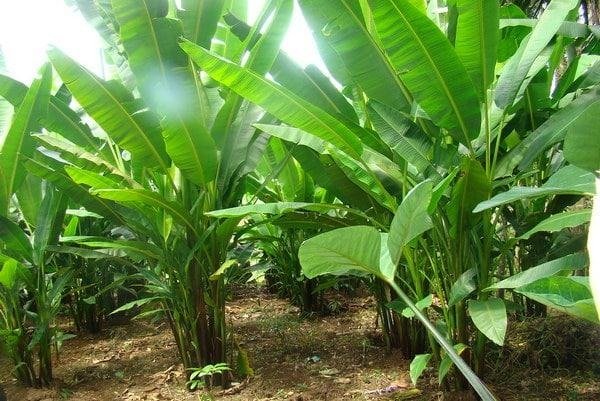
Figure 1. Abaca plantation (Anonymous, 2022b) at Philippines
Abaca fibres though available commercially in some parts of the glove however when compared with other plant fibres the production of the abaca is significantly less as presented in Table 1 (Mwaikambo, 2006; Anonymous, 2022k; Bolton, 1994; Robson et al., 1993; Rowell and Han, 2000).
| Table 1: Some plant fibres, source, world annual production and cost (Mwaikambo, 2006, ) | ||||
| Fibre type | Botanical name | Plant source | Production (103 Tonnes) | Approximatecost ($/kg) |
| Abaca | Musa textilis | Leaf | 91 | – |
| Bagasse | Saccharum officinarum L | Stem | 102,000 | – |
| Banana | Musa ulugurensis Warb. | Leaf | 200 | 0.1 |
| Bamboo | Gigantochloa scortechinii Dendrocalamus apus | Stem Fruit | 10000 | – |
| Coir | Cocos nucifera L. | 650 | 0.84 | |
| Cotton | Gossypium spp. | Seed | 19010 | 2 |
| Flax | Linum usitatissimum | Stem | 830 | 0.6-0.8 |
| Hemp | Cannabis sativa L. | Stem | 214 | 0.7-0.8 |
| Jute | Corchorus capsularis, Corchorus olitorius | Stem | 2850 | 0.8-0.9 |
| Kapok | Ceiba pentandra | Seed | 123 | 0.2 |
| Kenaf | Hibiscus cannabinus | Stem | 970 | 0.7-0.8 |
| Phormium | Phormium tenax | Leaf | – | – |
| Pineapple | Ananas cosmosus Merr. | Leaf | – | – |
| Ramie | Boehmeria nivea Gaud | Stem | 100 | – |
| Sisal | Agave sisilana | Leaf | 318.8 | 0.74 |
The main use of abaca fibre today is for the specialist pulp and paper industry where it’s relatively long staple length, strength and cellulose content make it ideal for the production of specialist papers including tea and coffee bags, sausage casing paper, electrolytic papers, currency paper, cigarette filter papers, food preparation and medical filter papers, stencil papers and dictionary/bible paper. Abaca fibre made twines and ropes are very much popular in Costa Rica, Ecuador, Philippines and countries of Africa and South Asia. Apart from it hand bags, hats, shoes, wall coverings, handicrafts, currency notes, lamps, carpets, clothing, furnitures are also could be made from abaca fibre. This Abaca (Musa textilis) is one of the strongest natural fibres is indigenous to the Philippines, and grows well particularly in the provinces of Bicol, Samar and Leyte. It is also one of the few cash crops that can grow with relatively little input compared to other crops, in steep forest areas. For this reason, it is often the crop of choice of households living in villages at the forest edge. The of abaca plays an important role for the household economy of villagers in Leyte island. Lacuna (2002) studied that abaca is both an important secondary income source of households with lowland farmers. Further, it is the only source of cash income of the poorest households in the community of this island. The implications of abaca’s niche in the village economy, on increasing production of the crop, are discussed thoroughly by Lacuna (2002).
In India, abaca is grown to Himalayan mountain range specially in the of Arunachala Pradesh state, where mostly abaca plants are in the mountain forest (Figure 2). Hence they are mostly grown on steep mountain slops. This causes difficult in harvesting, collecting and subsequent processing for fibre extraction. Another aspect of difficulties is mostly abaca plants are grown in mountains slops and comes under mountain forest department, plant roots act as soil reinforcement and reduce land slide. As a result restriction of cutting the plants is another important aspect too. Over the all, the steep slops are main difficulties and transportation of the green stock are quite laboursome and expensive too.
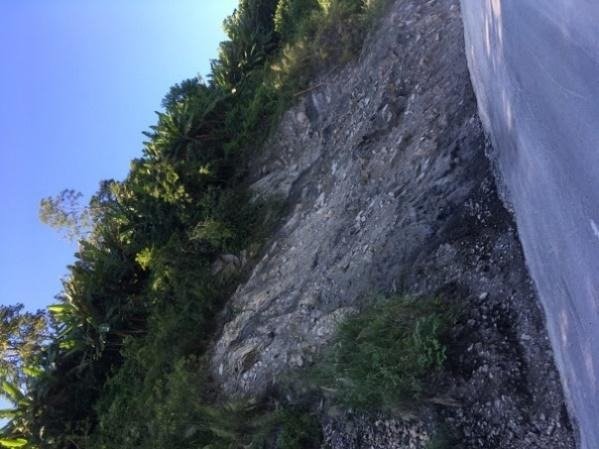
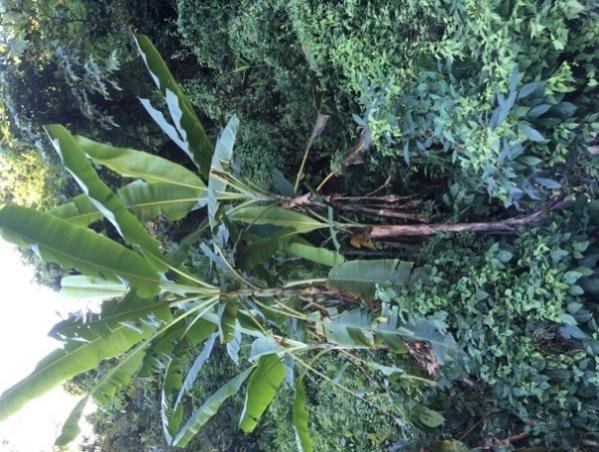
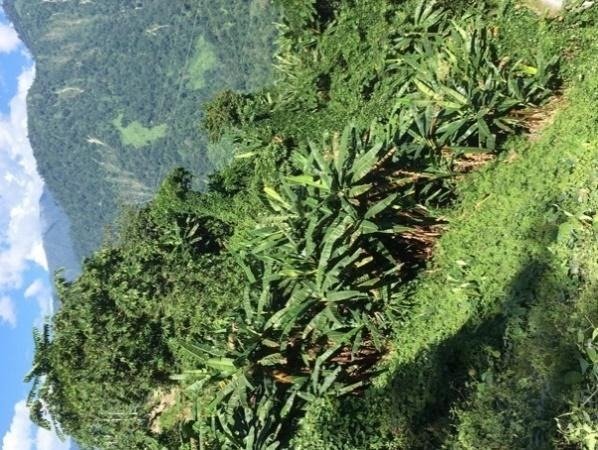
Figure 2. Abaca plantation in India
In 1951, J. E. Spencer described the abaca is a herbaceous plant, originally from the Philippines, whose fibre has a high content of lignin and cellulose that provide a big resistance to traction, putrefaction, abrasion, and UV rays and salt water degradation (Spencer, 1951). It is used in the textile industry to make ropes, strings, threads and fabric that will later become clothing, curtains, tapestries; it is also used for different artistic or craft expressions. It is highly valued raw material in the paper industry for the making different types of paper. This abaca also known as the ‘Queen of natural fibres’, and has a great potential in nanomaterials, biodegradable materials and composite materials that are utilized by the automotive industry, aeronautics, shipping, construction and furniture.
Abaca Cultivation to Fibre Production and Product Diversification
The abaca fiber is obtained from the leaf sheaths or petioles of the abaca plant (Musa texitilis), a plant native to Asia (Philippines). In Philippines condition, the plant grows well in shady and humid areas (altitude below 500 m and temperature 27°C) and requires well-drained loamy soil for cultivation (Waseem et al., 2014). It can be propagated by seeds, suckers or corm, or through tissue culture techniques. Since the cultivation of abaca is mainly confined to Philippines and other adjacent areas, it has also been introduced to other regions like Malaysia, Indonesia, etc. The topmost producer of abaca fiber is Catanduanes province of Philippines. As far as its extent of cultivation is concerned, it is being grown on about 172,524 ha providing employment to a large number of farmers and other associated traders, exporters, or manufacturers. The harvesting and extraction of fiber from abaca is laborious process which involves many operations like tuxying, stripping, drying, and final processing. Stripping and drying of fibers is either done manually or mechanically. After extraction, different grades of fibers are obtained which are then accordingly used for different set of industrial activities.
The plant, also known as Manila hemp, extracted from the leaf-stems. The plant grows to 13–22 feet (4.0–6.7 m), and averages about 12 feet (3.7 m). The abaca plant is closely related to and resembles the banana plant (Musa sapientum). The abaca plant grows from rootstock that produces up to about 25 fleshy, fibreless stalks, forming a circular cluster called a mat, or hill. Each stalk is about 5 cm (2 inches) in diameter and produces about 12 to 25 leaves with overlapping leaf stalks, or petioles, sheathing the plant stalk to form an herbaceous (nonwoody) false trunk about 30 to 40 cm in diameter. The oblong, pointed leaf blade topping each petiole is bright green on the upper surface and yellowish green below and grows to about 1 to 2.5 m (3 to 8 feet) in length and 20 to 30 cm in width at its widest portion. The plant is normally grown in well –drained loamy soil , using pieces of mature root planted at the start of the rainy season. Growers harvest abaca fields every 3-8 months after an initial growth period of 18-25 months and a total lifespan of about 10 years.
The main use of abaca fibre today is for the specialist pulp and paper industry where it’s relatively long staple length, strength and cellulose content make it ideal for the production of specialist papers including tea and coffee bags, sausage casing paper, electrolytic papers, currency paper, cigarette filter papers, food preparation and medical filter papers, stencil papers and dictionary/bible paper. Abaca fibre made twines and ropes are very much popular in Costa Rica, Ecuador, Philippines and countries of Africa and South Asia. Apart from it handbags, hats, shoes, wall coverings, handicrafts, currency notes, lamps, carpets, clothing, furniture are also could be made from abaca fibre.
Processing of Abaca Fibre
A far as the abaca plantation is concerned, it requires lots of rainfall, a warm and humid climate (Simbana et al., 2020). It typically grows in tropical lowland areas with humidity above 60% without pesticides or fertilizers. The abaca plants are planted at the start of the rainy season in well-drained loamy soil, using rhizomes. Abaca fields can be harvested every 3 to 8 months after an initial growth period that lasts between 12 and 25 months. Abaca fabric is made using many different processing steps that have been the same for centuries. Its production involves water retting, a process where abaca stems are bundled together and immersed in water to soften. The action of bacteria and enzymes taking up to 30 days in natural water makes the separation of the fiber from the stem possible. After retting, the stripping process begins to collect the fibrous material and scrape off the rest. Abaca fibers are then transformed into textile yarn with the help of spinning wheels. Lastly, abaca yarn undergoes dyeing or treatment to enhance its properties before being carefully hand-woven into fabrics by textile manufacturers.
Harvesting of abaca generally includes having several operations concerning the leaf sheaths. It is obtained from the outer layers of the overlapping leaf sheaths which form the stalks of the abaca plant. Harvesting abaca is laborious. Each stalk must be cut into strips which are scraped to remove the pulp. The fibres are then washed and dried, following are are the three basic steps involved (Anonymous, 2022c, 2022d):
i) Tuxying (separation of primary and secondary sheath)
ii) Stripping (getting the fibres)
iii) Drying (usually following tradition of sun drying)
The fibres can then be spun into twines or cordage. Lupis is the finest quality of abaca. Another research group describes the extraction process of abaca fibre from stem in seven critical steps as discussed below:
(a) Stripping the leaves: It consists of defoliating and blunting the stems that are ready to extract the fibre.
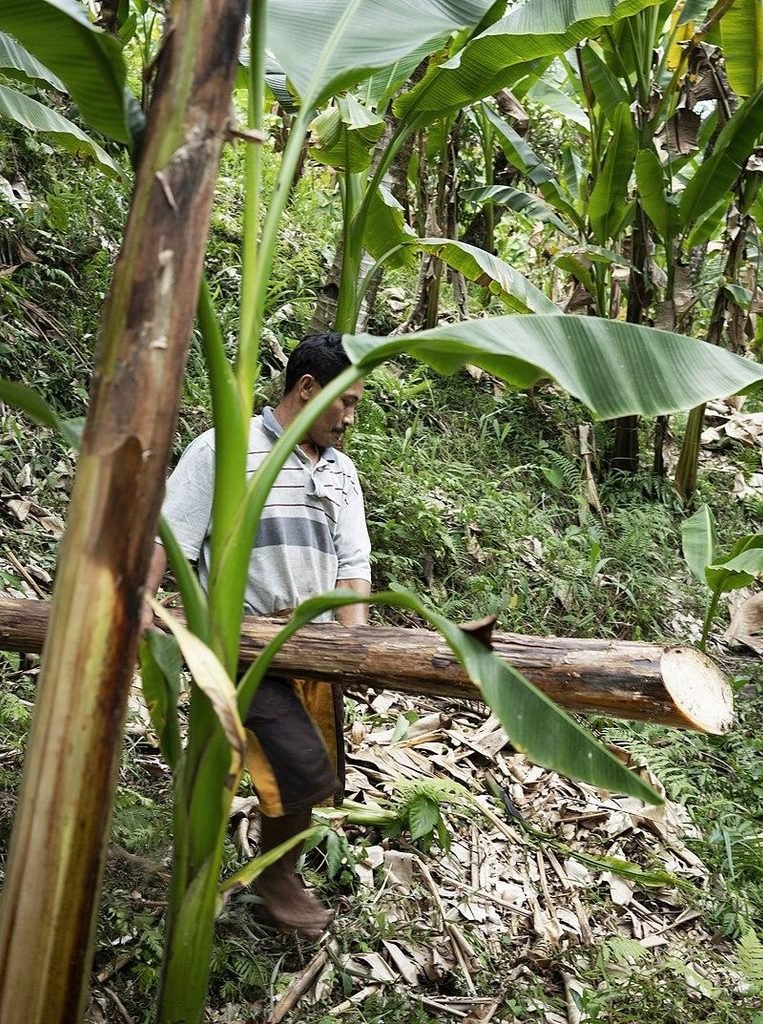
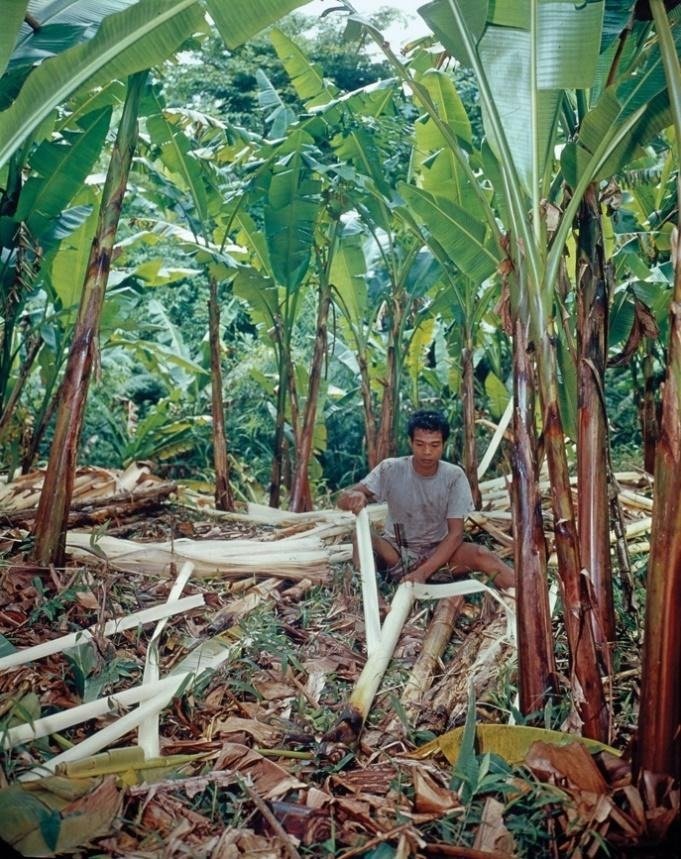
Figure 3. a. Farmer harvesting the abaca stem and defoliating leaves (left side) (Anonymous, 2022e); b. Separating pseudostem (right side) (Anonymous, 2022a)
(b) Cutting the stems: The selected stems are cut to 10 cm from the ground, with a bevel cut inclined towards the outside with the purpose of avoiding stem rot.
(c) Shelling: From the cut stem, the pods that surround it are separated. With a knife, it is cut into strips of 5 to 8 cm wide by 2e4 cm thick; the length depends on the size of the stem. The outer shells produce fibre of lower quality and are cinnamon-coloured or brown and the interiors have a better quality, whose colour is white.
(d) Shredding: This process must be carried out before 8 to 12 h after cutting the stem. The opposite will result in a faded fibre of lower quality. This operation is carried out by means of a machine that consists of two parts: the diesel engine that generates movement to a roller and the shredder, with roller and blades, and a system of attachment and opening of the blades, operation that is carried out with the other half of the pod or tuxe, that is wrapped in the roller. However, many of the times, poor farmers use manual process for stripping the abaca fibre which involves drudgery and poor production as shown in figure 4a. Even for better separation of fibres, combing operation is also adopted (Figure 4b).
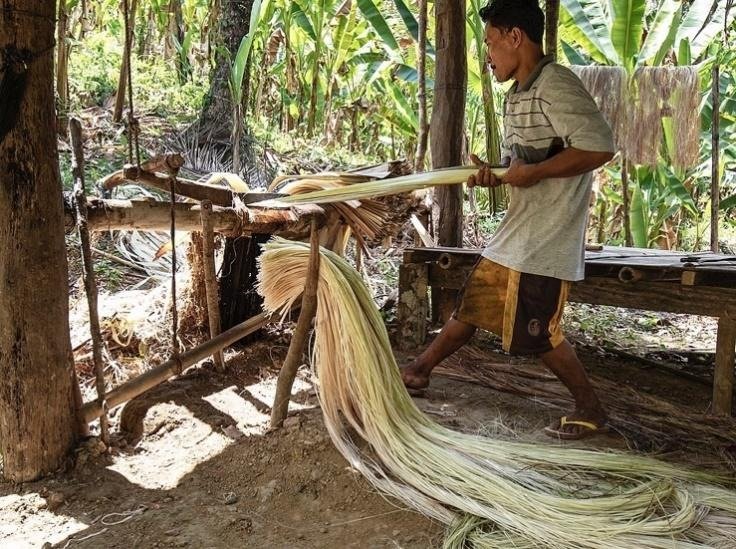
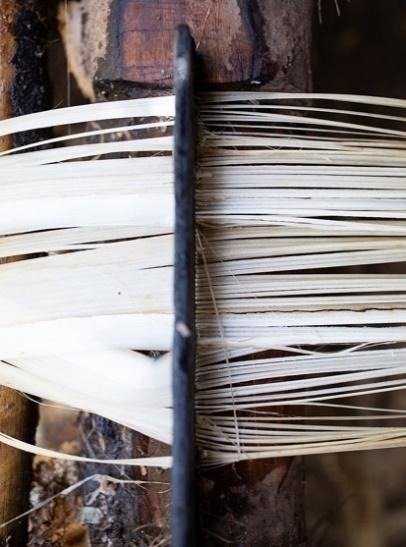
Figure 4. a. Poor farmer stripping the tuxies by hand for fibres extraction (Anonymous, 2022f);
b. Combing of fibres for better separation (Anonymous, 2022g)
(e ) Drying: The fibre obtained has a high percentage of moisture, hence, it is essential to dry it in the same farm. The drying time of the fibre can last for hours or days, depending on relative humidity of atmosphere and sunlight availability. Parallel to this activity, a preliminary classification is performed, according to the colour of the fibre. After drying in normal condition as shown in figure 4, the fibre is placed in a dry and ventilated tank to guarantee its quality. There is a need to provide a common service facilities for drying as it affects the quality of fiber. During the wet season, the volume and quality of fiber drops due to difficulty of removing the moisture from the fiber by drying. Hence, harvesting and processing of abaca seriously affects operations of the chain due to lack of supply (Celestino, 2015).
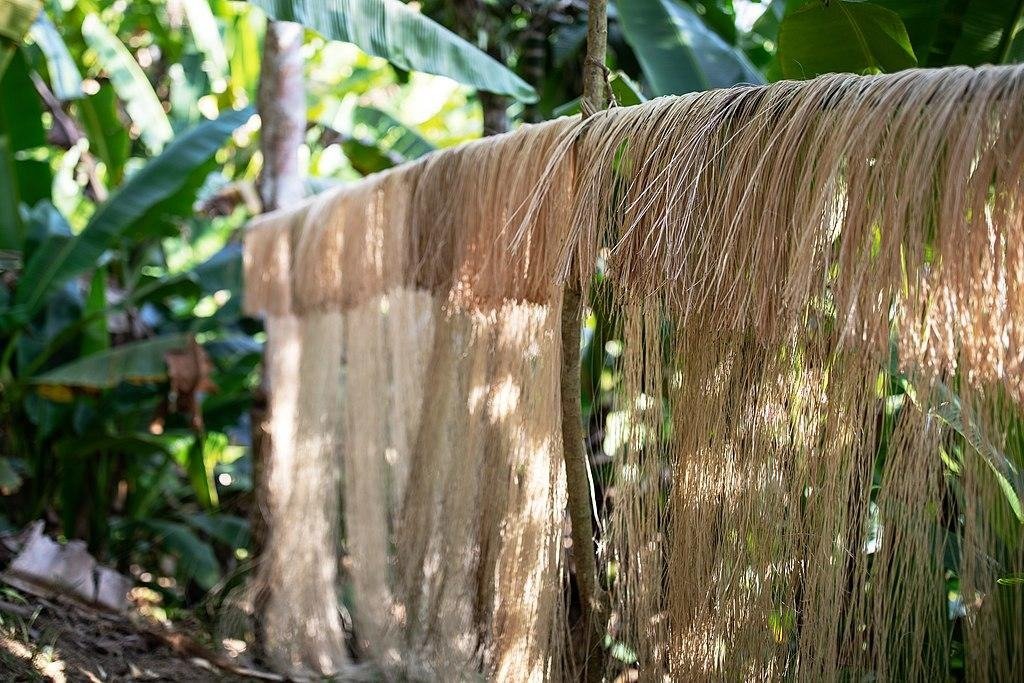
Figure 5. Drying of abaca fibres (Anonymous, 2022h)
(f) Classifying/Grading: Normally, once the moisture in fibre reached 8% moisture, the fibre is stored for classification. This classification is based on the colour and diameter of the fibre, a criterion that allows obtaining five quality grades. The white fibre is considered grade 1, whereas when until it reaches a dark brown colour, it is grade 5. The thinner fibre is considered of better quality.
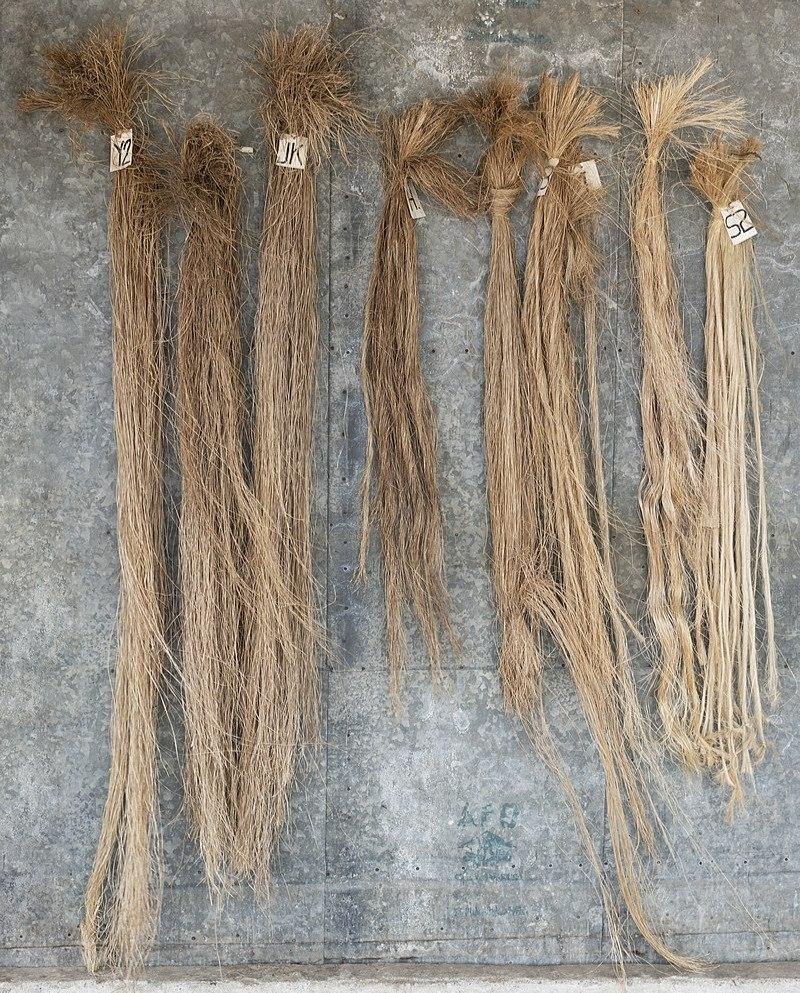
Figure 6. Grading of abaca fibre Good quality/higher grade at topmost and bottom most is lower grade (Anonymous (2022i)
(g) Packing: Once classified by colour and diameter, packages of 125 kg are organized, covering 0.93 m wide by 0.52 m, and ready to be presented to the international market.
Properties of Abaca Fibre
Abaca fibre is to be considered as one of the strongest natural fibres and categorized as a hard fibre, like, coir, henequen and sisal (Anonymous, 2022c). The length of the fibre varies from 0.9 to 2.74 meter (3 to 9 feet) or more depending on the height of the plant and the age of the leaf sheath. The fibre colour ranges from ivory white to light to dark brown. However, when the fibre properly extracted and dried, it is also of white, lustrous in colour. Rope prepared from abaca is very durable, flexible and resistant to salt water damage. As far as the products of abaca is concerned, it is the premier cordage fibre of the world. It is very light, strong, and durable. One particular feature of the abaca fibre which emphasizes its superiority over all other fibres of its class is its great strength and its resistance to the action of water, hence its particular adaptability for marine ropes. Abaca is a leaf fibre, composed of long slim cells that form part of the leaf’s supporting structure. Lignin content is a high 15%. Abaca is prized for its great mechanical strength , buoyancy , resistance to salt water damage, and long fibre length – upto 3 meter. The best grades of abaca are fine, lustrous, light beige in colour and very strong (Anonymous, 2022a).
Abaca Based Technical Textiles, Its Potentiality of Alternative Fibre and Sustainability
Chemical Composition of Abaca fibre
José and Ana, 2006, studied thoroughly the chemical composition of abaca fibers, commonly used for high-quality paper pulp production. Their results discloses that the lignin content in abaca fibre was 12-13.2% on the weight of total fiber (Mwaikambo, 2006). Mwaikambo, 2006, compiled different plant originated fibre and compared the chemical composition of abaca fibres with other plant fibres as depicted Table 2). Important constituents of abaca are quite resemble with banana fibre as far as cellulose, hemicellulose and lignin is concerned.
| Table 2. Comparative chemical composition of Abaca and other plant fibres (Mwaikambo, 2006) | |||||
| Sl. No. | Fibre type | Cellulose | Hemicelluloses | Lignin | Pectin |
| 1 | Abaca | 61-64 | 21 | 12 | 0.8 |
| 2 | Bagasse | 32-48 | 21 | 19.9-24 | 10 |
| 3 | Banana | 60-65 | 6-19 | 5-10 | 3-5 |
| 4 | Bamboo | 26-43 | 15-26 | 21-31 | – |
| 5 | Coir | 46 | 0.3 | 45 | 4 |
| 6 | Cotton | 82-96 | 2-6 | 0.5-1 | 5-7 |
| 7 | Flax | 60-81 | 14-19 | 2-3 | 0.9 |
| 8 | Hemp | 70-92 | 18-22 | 3-5 | 0.9 |
| 9 | Jute | 51-84 | 12-20 | 5-13 | 0.2 |
| 10 | Kapok | 13.16 | – | – | – |
| 11 | Kenaf | 44-57 | 21 | 15-19 | 2 |
| 12 | Phormium | 67 | 30 | 11 | – |
| 13 | Pineapple | 80-81 | 16-19 | 4.6-12 | 2-3 |
| 14 | Ramie | 68-76 | 13-15 | 0.6-1 | 1.9-2 |
| 15 | Sisal | 43-78 | 10-13 | 4-12 | 0.8-2 |
| 16 | Wood | 45-50 | 23-30 | 27 | 2-2.5 |
The analysis of abaca fibers by pyrolysis coupled to gas chromatography−mass spectrometry (Py-GC/MS) released predominantly compounds arising from lignin and p-hydroxycinnamic acids, with high amounts of 4-vinylphenol. The latter compound was demonstrated to arise from p-coumaric acid by pyrolysis of abaca fibers in the presence of tetramethylammonium hydroxide, which released high amounts of p-coumaric acid (as the methyl derivative). Products from p-hydroxyphenyl (H), guaiacyl (G), and syringyl (S) propanoid units, with a predominance of the latter (H:G:S molar ratio of 1.5:1:4.9), were also released after Py-GC/MS of abaca fibers. Sinapyl and coniferyl acetates, which are thought to be lignin monomer precursors, were also found in abaca. The extractives content of the abaca fiber (0.4%) was low, and the most predominant compounds were free sterols (24% of total extract) and fatty acids (24% of total extract). Additionally, significant amounts of steroid ketones (10%), triglycerides (6%), ω-hydroxyfatty acids (6%), monoglycerides (4%), fatty alcohols (4%), and a series of p-hydroxycinnamyl (p-coumaric and ferulic acids) esterified with long chain alcohols and ω-hydroxyfatty acids were also found, together with minor amounts of steroid hydrocarbons, diglycerides, α-hydroxyfatty acids, sterol esters, and sterol glycosides. Mwaikambo, 2006 made a very good compilation of different important physical properties of plant fibres and compared with abaca fibre as presented in Table 3. Overall properties of abaca is quite comparable with other ligno-cellulosic fibres except high aspect ratio, i.e., comparative coarser in nature.
Saragih et al., 2018 characterized Abaca Fiber from Aceh Timur, Indonesia origin for making as Bioplastic. They also made a comparative study of the different physical properties and chemical compositions of different ligno-cellulosic fibres and compared with abaca. They found that Indonesian abaca fibre has high cellulose content about, 66.43%, hemicellulose around 24.7%, lignin around 13.6% and low moisture content 0.7%. This results caused the fiber a high value of mechanical property with tensile strength up to 308,7 MPa. The FTIR spectra showed the presence of several functional groups that can be found in lignin, hemicellulose and cellulose. The surface microphotograph showed the fiber has micron size and curled shape. The DSC thermal analysis was performed to determine the thermal property of abaca fiber also to determine its suitability as bioplastic. The surface morphology (Figure 7) was analyzed under scanning election microscopy (SEM) of abaca fiber (at 500x, 1000x, 2000x) and the microphotograph showed the abaca fiber was constructed with elongated fiber line. This line indicated abaca fiber contained cellulose, lignin and hemicellulose. In Figure 7 showed the abaca fiber was in micron sized and the rough surface indicated the cuticula layer. The abaca fiber also contained a lot of pores on its surface (Saragih et al., 2018).
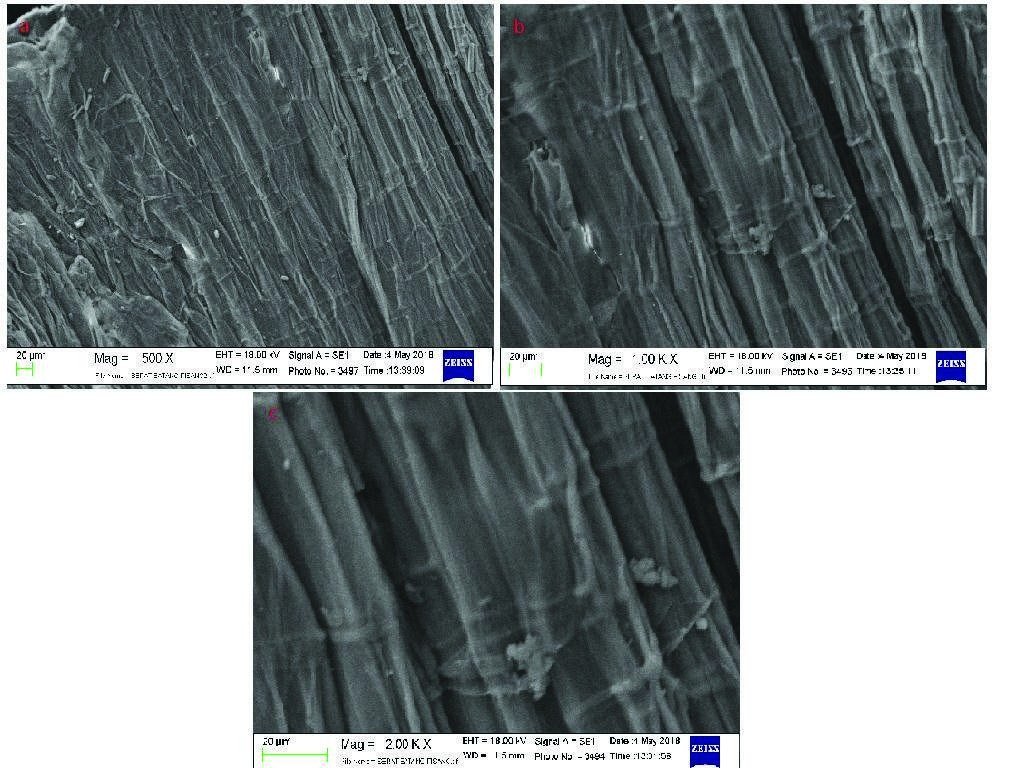
Figure 7. SEM images of Abaca fiber; (a) 500 x, (b) 1000 x, and (c) 2000x (Saragih et al., 2018)
Mwaikambo, 2006, compared different physical properties of plant fibres with abaca fibre as shown in Table 3. It s clear from Table 3 that, except aspect ratio of fibre (length to diameter) almost all other important properties (fibre diameter, ultimate fibre length, bulk density and moisture regain) are almost closer to banana, coir and flax fibre. The moisture regain of abaca fand sisal fibres is same which is around 14%,
| Table 3: Some comparative physical properties of the plant fibres (Mwaikambo, 2006) | ||||||
| Fibre type | Fibrediameter (μm) | Ultimate fibreLength (mm) | Aspect ratio (l/d) | Micro-fibril angle (θ) | Bulk Density (kg/m3) | Moisture regain (%) |
| Abaca | 17.0-21.4 | 4.6-5.2 | 257 | – | 1500 | 14.00 |
| Bagasse | 20 | 1.7 | – | – | 550-1250 | – |
| Banana | – | 2-3.8 | – | 11-12 | 1300-1350 | – |
| Bamboo | 10-40 | 2.7 | – | – | 1500 | – |
| Coir | 16.2-19.5 | 0.9-1.2 | 64 | 39-49 | 1250 | 13.00 |
| Cotton | 11.5-17 | 20-64 | 2752 | 20-30 | 1550 | 8.50 |
| Flax | 17.8-21.6 | 27.4-36.1 | 1258 | 5 | 1400-1500 | 12.00 |
| Hemp | 17.0-22.8 | 8.3-14.1 | 549 | 6.2 | 1400-1500 | 12.00 |
| Jute | 15.9-20.7 | 1.9-3.2 | 157 | 8.1 | 1300-1500 | 17.00 |
| Kapok | 15-35 | 32 | 724 | – | 384 | 10.90 |
| Kenaf | 17.7-21.9 | 2.0-2.7 | 119 | – | 1220-1400 | 17.00 |
| Phormium | 15.4-16.4 | 5.0-5.7 | 337 | – | – | – |
| Pineapple | 20-80 | – | – | 6-14 | 1520-1560 | – |
| Ramie | 28.1-35.0 | 60-250 | 4639 | 1550 | 8.50 | |
| Sisal | 18.3-23.7 | 1.8-3.1 | 115 | 10-22 | 1300-1500 | 14.00 |
Vijayalakshmi et al., 2014, documented different important properties of abaca fibres. They mentioned that abaca contain about 4.8% ash which is comparatively at higher side compared to other natural fibres (hemp, jute, sisal, flax, cotton). While compared the tensile strength and elongation of the abaca fibre, it is the highest and in the tune of 980 N/m3 and lowest about 1.1%, respectively. This indicate that abaca is very less extensible with very high strength.
Abaca Fibre for Technical Textiles and Other Technical Applications
Abaca is also the traditional source of lustrous fiber hand-loomed into various indigenous textiles in the Philippines like t’nalak, as well as colonial-era sheer luxury fabrics known as nipis. They are also the source of fibers for sinamáy, a loosely woven stiff material used for textiles as well as in traditional Philippine textiles. Abaca fabric is strong, durable, dense, and very versatile. It’s a completely natural material with good insulating and anti-static properties, low thermal conductivity, and moderate moisture retention. Advantages of Abaca fibre made fabrics are high breathability, high strength, high durability, very cheap, very dense, very versatile, and anti-static, good moisture regain and easily blended with other natural fibre. The main drawbacks of using abaca fabric are prone to wrinkling, change its colour in sunlight, low comfort, rough, bulky, lower strength under wet condition (Anonymous, 2022j). Apart from its traditional packaging, abaca, a renewable bioresource has high potential in different industrial applications (Shahri et. Al., 2014).
Waseem et al., 2014, in their research document discloses that abaca as a renewable bio-resource for Industrial uses and other important technical applications. Out of the various fibers obtained from natural sources, fibers obtained from abaca offer a great potential to be used as a renewable bio-resource for various industrial or extra-industrial applications due to their high mechanical strength, durability, flexibility, and long fiber length. Abaca fiber is chemically composed of cellulose, pectin, lignin, and significant quantities of glycerides, ketones, fatty acids, and other compounds (del Río and Gutiérrez, 2006). Being regarded as the strongest natural fiber in the world, it can be put into various modern sophisticated technologies like automobile industry and as a raw material for other important industries like paper and pulp industry, textile industry, and furnishing industry, besides being used as a fuel. Now-a-days, abaca-reinforced polymers are used and preferred over synthetic polymers. In the ecological perspective, the products obtained from abaca fibers are eco-friendly and the production of abaca-fiber composites is energy-efficient as it has been found to save 60 % energy besides reducing emission of carbon dioxide. Further, the abaca plantations are used to prevent soil erosion and in promoting biodiversity rehabilitation. Waste material produced from abaca plants is also used as organic fertilizers to replenish the soil fertility.
Abaca is a good biomaterial source of pulp for paper making industry (Erlinda et al., 1998). Estudillo et. al., 1998, discloses that high yielding pulps from abaca were produced by different process, viz., thermos-mechanical process, cold soda process, neutral sulfite semi-chemical and chemi-thermo-mechanical pulping processes. The pulps were subjected to fiber fractionation to determine the degree of refining made on the fibers. The optimal and physical properties of the pulps were compared with coniferous chemical and mechanical pulps. They conferred that abaca pulps from cold soda process with 30% NaOH steeped for 2 hr followed by neutral sulfite semi-chemical pulp from 12% Na2SO3 + 3% Na2CO3 cooked at 150°C for 90 min and chemi-thermo-mechanical pulping process using 12% Na2SO3 + 2% NaOH + 0.3% diethylene triamine pentaacetic acid (DTPA) as chelating agent were bleached using hydrogen peroxide and used as extender in waste paper for the production of printing and writing paper. Further, Estudillo et. al., 1998, concluded that, the properties of printing and writing paper blended with 5% bleached chemi-thermo-mechanical pulping and 5% cold soda abaca pulps were at par with those of paper blended with 20% imported softwood chemical pulp.
Abaca fibre as reinforcement in polymer matrices became popular due to applications of its polymer composite in production of exterior components of passenger cars. As far abaca fibre reinforced polymer composite is concerned, researchers received encouraging structural, mechanical, thermal properties of composite made on different polymer matrices like polyester, polylactide, epoxy, phenol formaldehyde, high density polyethylene (HDPE) and polystyrene, etc., (Bledzki, 2007, Sinha, 2021). Ochi, 2006, developed of high strength biodegradable composites using abaca (manila hemp) fiber and starch-based biodegradable resin. It was found that the tensile and flexural strengths of the abaca-fibre reinforced composites increased with increasing fiber content as high as 70%. As far as the property of the composites concerned, extremely high tensile and flexural strengths of 365 MPa and 223 MPa, respectively was found. The fabrication with emulsion-type biodegradable resin resulted in reduction in voids and improves fiber-to-fibre contacts in the composites. Ochi, 2006, further heat-treated manila hemp at 160 °C for 120 min and found that tensile strength did not decrease. Hence, at 160 °C are the highest fabrication temperatures that do not affect the tensile and flexural strengths. Bledzki et al., 2009, developed poly lactic acid (PLA) based composites with man-made cellulose and abaca fibres and subsequently studied their mechanical properties. Their test results concluded that man-made cellulose fibres showed a much better potential as reinforcement for polylactides than abaca fibre. However, considering composite stiffness, abaca fibres plays a better role (Bledzki et al., 2009). In the line of composite development, researchers also studied the mechanical properties of abaca–jute–glass fibre reinforced epoxy composite (Ramnath et al., 2013). It was concluded that, the hybrid composite withstands more strain before failure in tensile testing than the single fibre composite. Abaca has the highest flexural strength since its strength increases with improved interfacial adhesion. Morphological analysis like fibre failure, cause of voids and fibre pullout during loading condition is studied using SEM. The hybrid composite is more ductile than the single type composite. Abaca exhibits more strength when it absorbs moisture (Ramnath et al., 2013). Sinha et al., 2017, studied the effect of alkali treatment on surface morphology of abaca fibre. They treated abaca with 1% and 3% NaOH, each for 1 hour at 25°C to enhance the interfacial adhesion of composite. Surface morphology for treated and untreated abaca samples were observed and analyzed under scanning electron microscope and the micrographs reveal that the interfacial adhesion increases with increase in concentration of alkali. Venkatasubramanian and Raghuraman, 2015, developed abaca-glass-banana fibre reinforced hybrid composites and studied the mechanical behaviour of the developed composite. Their study concluded that the developed hybrid composites having the combination of two natural fibres (abaca and banana) with glass fibre reinforced with the matrix of Ortho-phthalic resin (fibre volume fraction of 0.4 to 0.5) shows good mechanical properties resulting to the manufacture of industrial components where load-bearing capacity is one of the essential requirements. They also mentioned that, the selection of composite component is purely based on the requirement of the consumer, since, the different compositions poses different mechanical properties. The above hybrid composite leads to manufacture of eco-friendly components for packaging, aesthetics application where the load bearing capacity of the material is also taken into consideration.
Conclusions And Expected Trend
It can be concluded that though abaca being plant fibre and grown in some selected parts of the world, have good potential in different fields of textile and fashion textiles. Mostly abaca is a cash crop of majorly of three countries, like, Philippines, Ecuador, Costa Rica has good potential in paper and pulp industries. The other application of abaca fibre is in packaging area. Lack of machinery and scientific fibre extraction machinery is one of the reasons to have more labour intensive industry. Hence, proper fibre extraction machinery in this unit operation o fibre extraction and processing may be more lucrative to expand the potential for cultivation in some larger extent in other countries also. Considering the fibre properties of abaca fibre, in industrial application as reinforcing material, composite prepared from this fibre may be a good proposition to develop different machinery component including automobile body component to replace the metal. This may result in achieving higher strength to weight ratio, i.e., lighter weight vehicle with higher strength and greater fuel efficient. Apart from its biodegradability being a natural fibre, in coming days, the abaca fibre will play an very important role to fulfilment the different industrial demands specifically in technical textiles meeting the sustainable goals.
References
- Anonymous (2022a). https://www.britannica.com/plant/abaca, , Dated 04.12.2022.
- Anonymous (2022b). https://textilelearner.net/abaca-fiber-properties-manufacturing, Dated 05.12.2022.
- Anonymous (2022c). https://pulpspecialties.weebly.com/tuxying.html, Dated 04.12.2022.
- Anonymous (2022d). https://textilevaluechain.in/news-insights/processing-of-abaca-fibres-in-textile-industries, Dated 04.12.2022.
- Anonymous (2022e). https://en.wikipedia.org/wiki/Manila_hemp#/media/File:06-QWSTION-BANANATEX-ABACA-HARVEST-LAUSCHSICHT.jpg
- Anonymous (2022f). https://en.wikipedia.org/wiki/Manila_hemp#/media/File:14-QWSTION-BANANATEX-STRIPPING-LAUSCHSICHT.jpg
- Anonymous (2022g). https://en.wikipedia.org/wiki/Manila_hemp#/media/File:16-QWSTION-BANANATEX-STRIPPING-LAUSCHSICHT-2.jpg
- Anonymous (2022h). https://en.wikipedia.org/wiki/Manila_hemp#/media/File:20-QWSTION-BANANATEX-FIBERS-2-LAUSCHSICHT.jpg, Dated 06.12.2022.
- Anonymous (2022i). https://en.wikipedia.org/wiki/Manila_hemp#/media/File:23-QWSTION-BANANATEX-ABACA-GRADES.jpg
- Anonymous (2022j). Everything you need to know about Abaca Fabric. http://www.panaprium.com, Dated 15.11.2022.
- Anonymous (2022k). ‘Commodity and trade division’, Food and Agriculture Organisation of the United Nations, Economic and Social Department (ES), 2001, http://www.fao.org/.
- Bolton A. J. (1994). Natural Fibers for Plastic Reinforcement, Material Tehnology, 9, 1994, pp.12-20. https://doi.org/10.1080/10667857.1994.11785012.
- Bledzki A. K., Mamun A. A., Faruk (2007). Abaca fibre reinforced PP composites and comparison with jute and flax fibre PP composites, eXPRESS Polymer Letters Vol.1(11), pp. 755–762, DOI:10.3144/expresspolymlett.2007.104.
- Bledzki Andrzej K., Jaszkiewicz Adam, Scherzer Dietrich (2009). Mechanical properties of PLA composites with man-made cellulose and abaca fibres, Composites Part A: Applied Science and Manufacturing Volume 40, Issue 4, April 2009, Pages 404-412
- Celestino Edwin R., Sarmiento Gregorio O. and Bencio Jinky T. (2015). Value Chain Analysis of Abaca (Musa textiles) Fiber in Northern Samar, Philippines, International Journal of Innovative Science, Engineering & Technology, Vol. 3(8), pp.151-169.
- Debnath Sanjoy (2015) Chapter 3: Great Potential of Stinging Nettle for Sustainable Textile and Fashion. In: Gardetti M A and Muthu S S (eds) Handbook of Sustainable Luxury Textiles and Fashion, Environmental Footprints and Eco-design of Products and Processes. Springer Science+Business Media Singapore, pp. 43-57. DOI 10.1007/978-981-287-633-1_3
- Debnath Sanjoy (2016a) Chapter 1: Unexplored vegetable fibre in green fashion. Book Title, ‘Green Fashion’ Part of the series ‘Environmental Footprints and Eco-design of Products and Processes’, In: Muthu S S and Gardetti M A (eds). Springer Science+Business Media Singapore, pp. 1-19. Print ISBN 978-981-10-0244-1, Online ISBN 978-981-10-0245-8, DOI 10.1007/978-981-10-0245-8_1.
- Debnath Sanjoy (2016b) Chapter 3: Pineapple leaf fibre–A sustainable luxury and industrial textiles. In: Gardetti M A and Muthu S S (eds) Handbook of Sustainable Luxury Textiles and Fashion, Environmental Footprints and Eco-design. Springer Science+Business Media Singapore, pp. 35-49. DOI 10.1007/978-981-287-742-0_3.
- Debnath Sanjoy (2017b). Chapter 7: Sustainability in Jute-based Industries. Book Title, ‘Sustainability in Textile Industry’, Part of the series ‘Textile Science and Clothing Technology’, In: Muthu S S (ed). Springer Nature Singapore Pte Ltd. Singapore, 139-147. Print ISBN 978-981-10-2638-6, Online ISBN 978-981-10-2639-3, DOI 10.1007/978-981-10-2639-3_7.
- Debnath Sanjoy (2017a). Chapter 3: Sustainable production of bast fibres. Book Title, ‘Sustainable Fibres and Textiles’, A volume in The Textile Institute Book Series, Pages 69–85, In: Muthu S S (ed). Elsevier Ltd. Duxford, United Kingdom, 69-85. Print ISBN 978-0-08-102041-8, Online ISBN 978-0-08-102042-5, DOI 10.1016/B978-0-08-102041-8.00003-2.
- Debnath Sanjoy (2020). Flax Fibre Extraction to Fashion Products Leading Towards Sustainable Goals. In: Gardetti M., Muthu S. (eds) The UN Sustainable Development Goals for the Textile and Fashion Industry. Textile Science and Clothing Technology. Springer, Singapore, pp. 47-57. Print ISBN: 978-981-13-8786-9; Online ISBN: 978-981-13-8787-6; DOI: https://doi.org/10.1007/978-981-13-8787-6_3
- Debnath Sanjoy (2021). Chapter 4: ‘Flax Fibre Extraction to Textiles and Sustainability: A Holistic Approach’, Book entitled, ‘Sustainable Fashion and Textiles in Latin America, Textile Science and Clothing Technology’, M. Á. Gardetti and R. P. Larios-Francia (eds.), Springer Nature Singapore Pte Ltd. 2021, pp.73-85. ISBN 978-981-16-1849-9 (Print); ISBN 978-981-16-1850-5 (eBook); https://doi.org/10.1007/978-981-16-1850-5_4
- del Río JC, Gutiérrez A (2006). Chemical composition of abaca (Musa textilis) leaf fibers used for manufacturing of high quality paper pulps. J Agric Food Chem 54, pp.4600–4610.
- Edwin A. Simbaña, Paola E. Ordóñez, Yadira F. Ordóñez, Víctor H. Guerrero, Moraima C. Mera, Elmer A. Carvajal (2020). Chapter 6 entitled, ‘Abaca: cultivation, obtaining fibre and potential uses’, Ryszard M. Kozłowski, Maria Mackiewicz-Talarczyk (eds.), In Woodhead Publishing Series in Textiles, Handbook of Natural Fibres (Second Edition), Woodhead Publishing, pp 197-218, ISBN 9780128183984, https://doi.org/10.1016/B978-0-12-818398-4.00008-6.
- Erlinda L. Mari, Cesar O. Austria, Adela S. Torres, and Emmanuel P. Domingo, (1998). https://philjournalsci.dost.gov.ph/publication/regular-issues/past-issues/87-vol-148-no-2-june-2019/1004-residual-grade-and-waste-abaca-fibers-as-reinforcement-for-packaging-and-printing-writing-papers-from-recycled-fiber, Dated 27.11.2022.
- Estudillo C.P., Torres A.S., Austria C.O. (1998). Production of abaca mechanical pulp as extender to waste paper for printing and writing paper The Forest Products Research and Development Institute Journal (Philippines), ISSN : 0115-0456. https://agris.fao.org/agris-search/search.do?recordID=PH2001100612, Dated 05.12.2022.
- José C. del Río and Ana Gutiérrez, (2006). Chemical Composition of Abaca (Musa textilis) Leaf Fibers Used for Manufacturing of High Quality Paper Pulps, J. Agric. Food Chem., 54, 13, pp.4600–4610, https://pubs.acs.org/doi/10.1021/jf053016n.
- Lacuna-Richman, C. (2002). The role of abaca (Musa textilis) in the household economy of a forest village. Small-scale Forestry 1, 93–101. https://doi.org/10.1007/s11842-002-0007-x.
- Mahapatra N.N. (2019). Processing of abaca fibres in textile industries, Textile value chain, March 8, 2019, https://textilevaluechain.in/news-insights/processing-of-abaca-fibres-in-textile-industries, Dated 07.12.2022.
- Mwaikambo, L. Y. (2006). Review of the history, properties and application of plant fibres, African Journal of Science and Technology (AJST) Science and Engineering Series Vol. 7(2), pp. 120 – 133.
- Ochi S (2006) Development of high strength biodegradable composites using Manila hemp fiber and starch-based biodegradable resin. Composites A 37:1879–1883
- Ramnath B.Vijaya, Kokan S.Junaid, Raja R.Niranjan, Sathyanarayanan R., Elanchezhiana C., A. Prasad Rajendra, V.M.Manickavasagam, (2013). Evaluation of mechanical properties of abaca–jute–glass fibre reinforced epoxy composite, Materials & Design, Volume 51, pp. 357-366.
- Robson, D., Hague, J., Newman, G., Jeronimidis, G., and Ansell, M. P., ‘Survey of natural materials for use in structural composites as reinforcement and matrices, Natural materials for composites, EC/4316/92’, The Biocomposites Centre, University of Wales, Bangor, 1993, 1-71.
- Rowell, R.M. and Han, J.S. (2000): Characterisation and factors effecting fibre properties, Natural Polymers and Agrofibres Composites, Frolini, E, Leao, AL and Mattosso, L.H.C. (eds), San Carlos, Brazil, 115-127.
- Saragih Wahyuna, Lubis Rosliana, Basuki Eddyanto Wirjosentono (2018). Characteristic of Abaca (Musa textilis) Fiber from Aceh Timur as Bioplastic, AIP Conference Proceedings 2049, 020058 (2018); https://doi.org/10.1063/1.5082463
- Shahri W, Tahir I, Ahad B, (2014). Abaca fibre: A renewable bioresource for industrial uses and other applications, In: Hakeem, K., Jawaid, M., Rashid, U. (eds) Biomass and Bioenergy. Springer, Cham. Springer Singapore, pp 47-61, https://doi.org/10.1007/978-3-319-07641-6_3.
- Simbana E, Ordonez P, Ordonez YF, Guerroeo VH, Mera MC, Carvajal EA, (2020). Abaca: Cultivation, obtaining fibres and potential uses, Handbook of Natural Fibres (2nd Edition), Volume 1: Types, Properties and Factors Affecting Breeding and Cultivation, Woodhead Publishing Series in Textiles, pp197-218. ISBN: 978-0-12-818398-4.
- Sinha Agnivesh Kumar, Narang H.K., Bhattacharya S. (2017). Effect of Alkali Treatment on Surface Morphology of Abaca Fibre, Materials Today: Proceedings, Volume 4, (8), pp. 8993-8996.
- Sinha Agnivesh Kumar, Bhattacharya S., Narang H.K., (2021). Abaca fibre reinforced polymer composites: a review, Journal of Material Science, Vol 56, pp. 4569–4587.
- Spencer J. E. (1951) Abacá and the Philippines, Economic Geography, 27:2, 95-106, DOI: 10.2307/141172
- Terry Townsend (2020). Chapter 1B: ‘World natural fibre production and employment’, Handbook of Natural Fibres (Second Edition), Volume 1: Types, Properties and Factors Affecting Breeding and Cultivation, Woodhead Publishing Series in Textiles, pp.15-36. https://doi.org/10.1016/B978-0-12-818398-4.00002-5.
- Venkatasubramanian H., Raghuraman S. (2015). Mechanical behaviour of abaca-glass-banana fibre reinforced hybrid composites, Journal of Engineering Science and Technology Vol. 10(8), pp.958-971.
- Vijayalakshmi K., Neeraja Ch.Y.K., Kavitha Ayuodhya, Hayavadana J. (2014). Abaca Fibre, Transactions on Engineering and Sciences, Vol.2(9), pp.16-19, ISSN: 2347-1964 (Online) 2347-1875 (Print)
